
Oh, John
On Love Story, golden boys, and male socialization

When I worked at JCPenney, I had a crush on a boy.
We were both in college, and when I saw him on weekends we both worked (I was there 35 hours a week because I needed the money, it felt like I lived there) he would show me everything he learned in his Mandarin class that week. I blushed a furious scarlet every time we spoke, so I never asked him why he was taking Mandarin as a Puerto Rican kid from the Bronx, but it was a moot point: he had a girlfriend the entire time I knew him.
Anyway, I listened to Vanessa Carlton’s “Hands On Me” every single day for an entire year when I was in the throes of my crush: it is the song that most represents the early flush of falling in love, the desperate keening of needing to be near them, and the delusional rationalizations that take over your every waking moment.
This is how Love Story makes me feel.
The lyrics I first saw you at the video exchange/ I know my heart and it will never change exemplify youthful crush psychosis. Unfortunately, I was too young when I first heard them and imprinted on them like a baby bird.
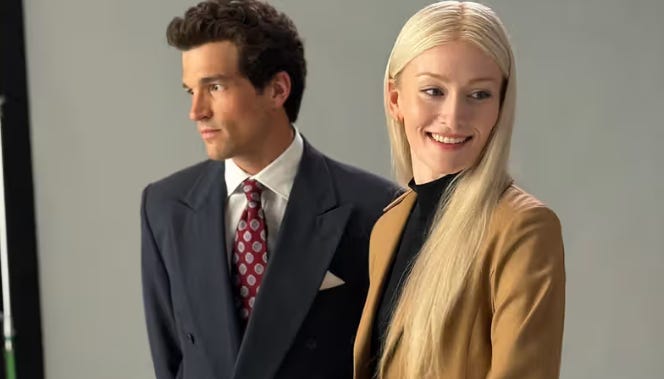
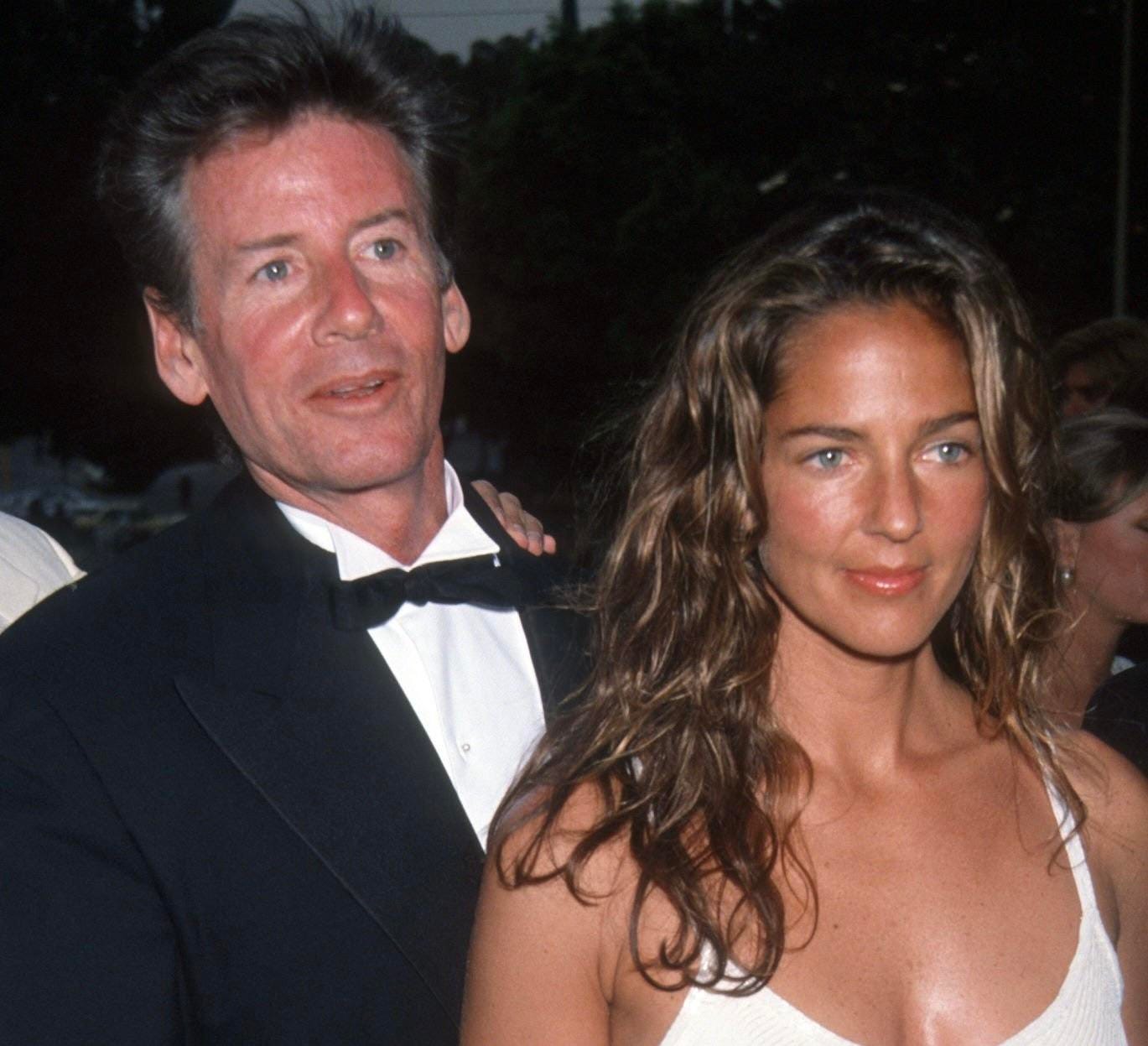
Love Story premiered with a bang on February 12th. Originally titled American Love Story: John F. Kennedy Jr. and Carolyn Bessette, production was marred by a series of leaked test shots that showed a distinctly platinum Sarah Pidgeon in Zara and Converse. People flipped out. The team went back to the drawing board, and when promo for the show began in earnest, Vanity Fair even published negative feedback from Reddit, salon owners, and vintage fashion aficionados who worship at CBK’s fashion altar.
There was a worry the show would be bad: Ryan Murphy’s oeuvre has been hit-or-miss leaning more heavily on miss for years now (American Horror Story has been bad since season 3, Pose was good for two seasons, the less said about Monster, Ratched, and Grotesquerie, the better, American Crime Story: Impeachment was genuinely brilliant), but showrunner Connor Hines has shifted focus from the expected rehashing of the Kennedy mythos to the coolness of New York in the nineties, a change that’s resonated on social media.
Carolyn Bessette-Kennedy has always been a cool girl muse— Instagram accounts dedicated to her clothes have existed for almost a decade now, and the semi-recent resurgence of the clean girl aesthetic (clean, minimal lines, tight buns, neutrals, blacks, and blazers) revived interest in her as a style icon. I’ll repeat what I said on TikTok: there’s a lazy critique that CBK didn’t actually dress that well, that she was just tall, thin, blonde, and white. Which, sure. But she was indeed cool. I’ve been saying for years that you can’t fake charisma, you can’t fake chemistry, and you can’t fake cool, and Hollywood is plagued with tall, thin, blonde, white women who are decidedly uncool— and I’ll name em. It’s the laziest form of critique and is generally both untrue and uninteresting.
On social media, dozens of women who worked at Calvin Klein in the 90s are coming forward with lists of draconian expectations they were expected to adhere to, and several of them even got interviewed by the Times. Beaming daughters parade their cool, stylish moms on TikTok, glowing in their proximity to the legendary moment in New York history. Others are quick to admonish the Clean Girls with reminders that Carolyn was decidedly not trad: she was often at Calvin Klein until midnight, she cherished her career, she smoked and drank and partied (the show feints at this by having one of John’s friends bring up her association with a popular downtown dealer). She wasn’t going to bed at 9 PM every night after doing her skincare, journaling and manifesting a sprinkle sprinkle lifestyle: she was a cool workhorse, and basically everything we know about her supports this.
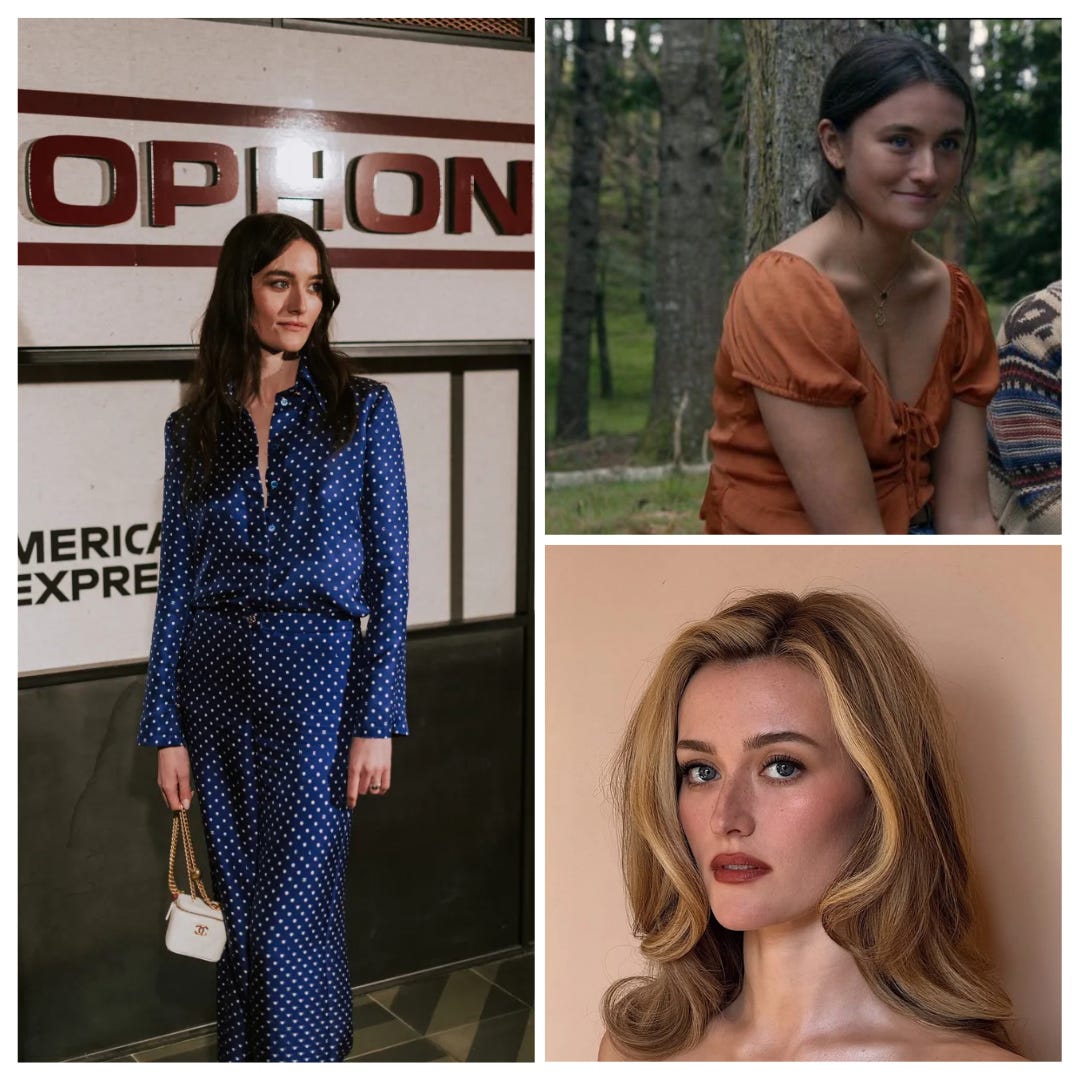
Sarah Pidgeon plays Carolyn with a fidgety intensity— early videos of the real Carolyn show a dynamic woman who was always in motion, tossing her hair and attacking space with her energy. Pidgeon is no stranger to a character pushed forward by internal electricity— she was one of the best parts of The Wilds, a show about a group of girls stranded on an island after a plane crash (no, not that show, this one came first), and by far the best part of Stereophonic, the Tony award-winning play about a Fleetwood Mac-esque band. (She was also fantastic as Stevie, a manic caterer, in the new I Know What You Did Last Summer.) Her portrayal of Carolyn is nuanced, layered, and interesting, and the show was smart to center her career at Calvin Klein: in the most recent episode, “Battery Park”, she says she never wants to stop working, it drives her and gives her life meaning.
It does feel like 90s New York is having a moment right now: in February I read Sheer, a novel about a lesbian makeup mogul in the late nineties and early aughts and could almost smell the city as it existed back then. I then read If I Ruled the World, a novel about a Black magazine editor in the nineties contending with the worlds of entertainment, hip-hop, and fashion, and wished I could have been older back then. As I said in the Mainstreaming of Loserdom, maybe it’s my own Millennial nostalgia, but everyone seemed cooler back then. When Sex and the City had its resurgence with Gen Z a few years ago, everyone proclaimed how much better the city seemed then, how it felt like every corner was teeming with opportunity, how it truly felt like anything could happen here. Love Story takes us inside a number of landmarks as they existed then— the Calvin Klein office when fashion ruled the world and New York ruled fashion, Battery Park, the Tribeca loft the couple shared.
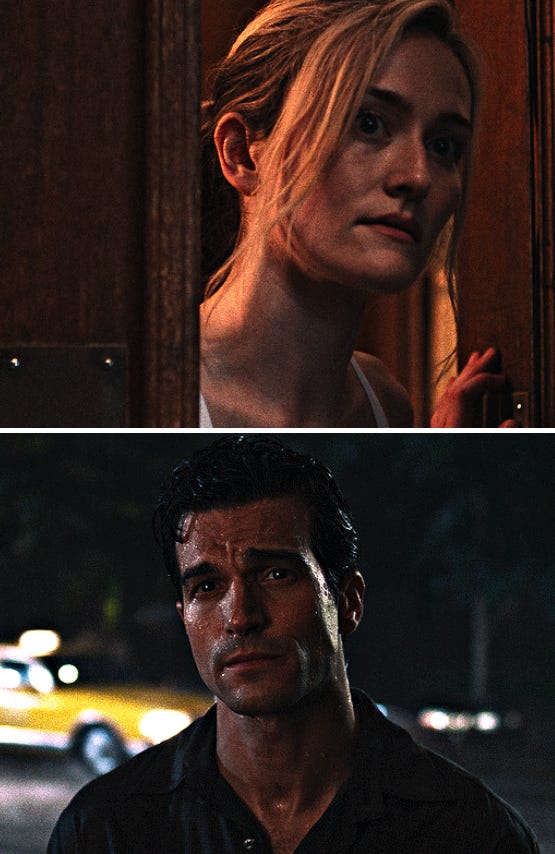
Unfortunately, we do have to talk about John. Paul Anthony Kelly, a Canadian model, plays John F. Kennedy Jr in his first big acting role. He excels at the louche bonelessness of the privileged John-John, the slight smarm and charm of a man ensconced by unimaginable wealth. He is also ridiculously handsome— on TikTok, they said that one thing Ryan Murphy understands is the importance of having a gorgeous man on screen. The real John was a tiny bit of a failson— much is made of his failing the bar twice, his doomed relationship with Daryl Hannah, the slow failure of his magazine, George. In her book, What Remains, Carole Radziwill (journalist, Real Housewife of New York, married JFK Jr’s cousin Anthony) says that John was preternaturally handsome, magnetic, and charming, but also a bit of a daredevil. He always came first— that’s how he was raised. He was America’s Prince, America’s Son. I think I’ve seen this film before.
One of the interesting things about Love Story is its refusal to glamorize the couple. I’m drawn to it because of its messiness— I’m quite literally born into this, as my mom is named after Jackie O and my parents and grandparents were all Kennedy-heads, drawn in by the Catholicism of it all. John and Carolyn scream, rage, and fight, externalizing their pain in chaotic bursts. Everything is dramatic, everything is toxic, everything is lurid. People love a trainwreck and people love a tragedy, and the immortalization of a doomed, beautiful, promising couple is more tantalizing than most can admit.
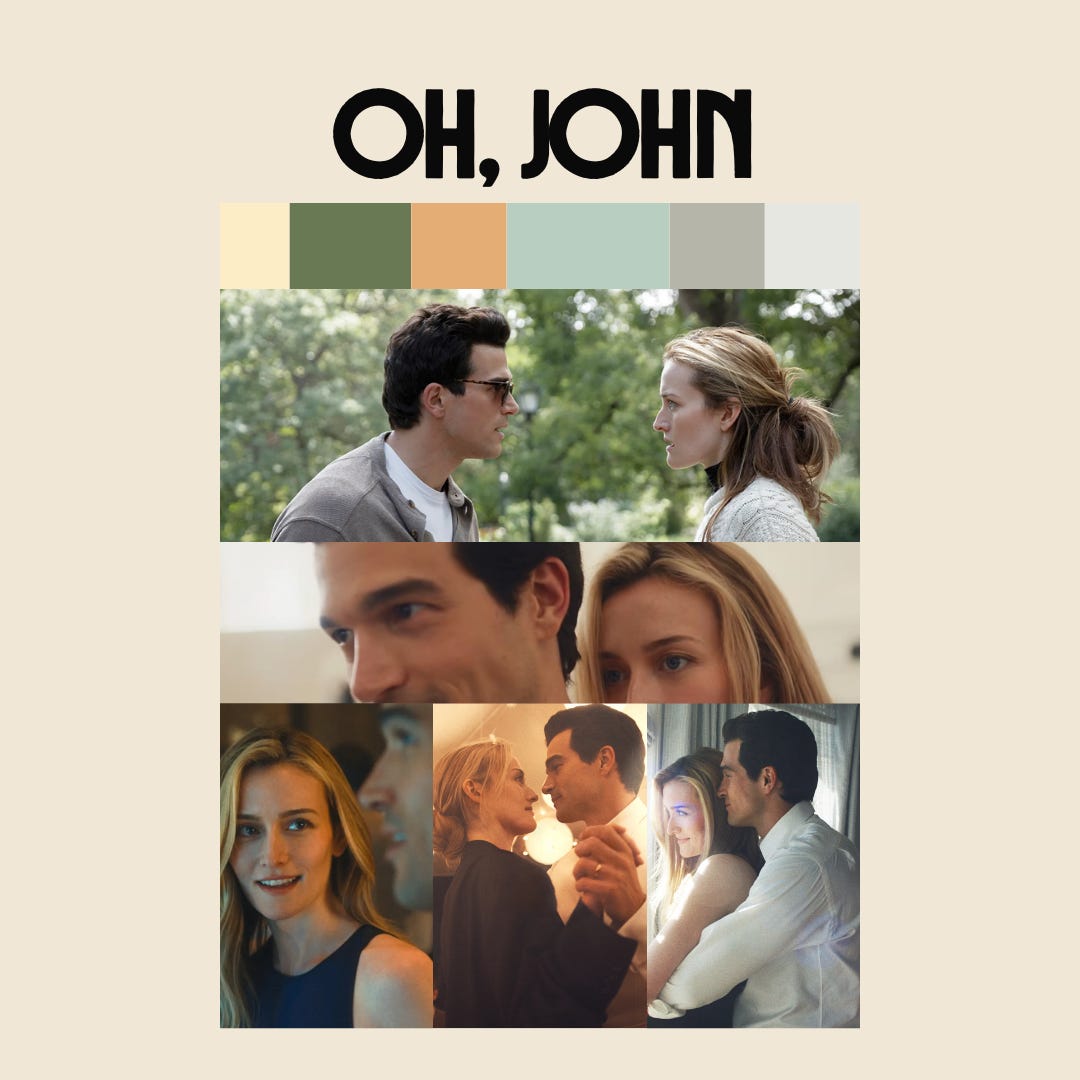
In episode 5, “Battery Park”, the show recreates the infamous Battery Park fight. Anyone with a passing interest in the couple has seen the images of them screaming at each other, shaking one another, Carolyn tackling John and then excoriating him as he sits on the curb, head on his knees. This is somehow the least interesting part of the episode: the thesis of the show clicked during two earlier moments.
In one, Carolyn finally visits Hyannis Port and meets the extended Kennedy clan. She is summarily terrorized by Ethel Kennedy (Bobby’s wife, our current health secretary’s mother, known for her advocacy work) who liked to quiz dinner guests on current events, with each question getting more difficult as she worked her way down the table. Caught unaware, Carolyn looks uninformed and glib, her usual charm working against her when presented with an unyielding foe. When she has a hankering for coffee, Ethel snidely informs her she missed breakfast— an activity one must sign up for at the Compound, as breakfast is only served in two shifts. John managed to sign up for himself, but didn’t think to jot down the name of his future bride. The only people she connects with are the kids, dozens of unnamed scions frolicking in the grass shielding her from further faux pas.
Later, Kelly Klein and Calvin Klein have a frank conversation about his… indiscretions. He spits that she “knew what she signed up for”, but she says she never imagined it would be “like this”. To give up one’s life for their husband— to be reduced to someone’s sidekick, someone’s companion, to have all of one’s life goals and accomplishments whittled away to just being “someone’s wife” is a brutal card to choose, no matter how much money and access you get as a result. For five episodes, Kelly Klein was presented as unflappable, effortlessly cool. Seeing her lament her fate— warning Carolyn about marrying men who demand satellites, not partners, was heartbreaking.
There are various examples of this across life and media: Nick from Crazy Rich Asians fails to prepare Rachel to meet his terrifying family. Harry tried to protect Meghan, but the reality of their life and treatment were very different from anything he could have prepared her for. Charles brings Diana to Balmoral on The Crown, and is convinced to marry her by his family when she passes the Royal Family’s inane tests (tests that working class Margaret Thatcher failed earlier in the episode). Golden boys and golden sons are not expected to prepare their spouses for the coming onslaught as part of their marriage: women are meant to stand by them silently, and as we’ve seen with Diana, Carolyn, and Meghan, any infractions mean public recriminations for the rest of time.
“I will not have my life narrowed down. I will not bow down to somebody else’s whim or to someone else’s ignorance.”
bell hooks, All About Love
Something I try to impart when I discuss relationships (as I wrote about marriage, cohabitation, and divorce in grad school a decade ago) is the very simple fact that in very specific ways, most men in America are not socialized or trained to care for other people. When thinking about John Kennedy showing up to dinner parties with unannounced guests (poor Carolyn), not telling her it was his sister’s birthday, not telling his coworkers he’s going away for the weekend as they pull all-nighters, not preparing his future wife for hostile interactions with his family, I say— yeah. If you date men, there are dozens of these tiny hostilities, a kind of casual negligence that’s explained away in dating but becomes glaringly obvious when you’re married, and even more glaring when the man is powerful, rich, or important.
Men aren’t taught to fight for their relationships or compromise. I say this as a man reporting from behind enemy lines: maybe for some who were lucky enough to be parented by parents in love, who did the work of teaching their sons to put someone before them and above them. I think of bell hooks saying “love is an action” and “Giving generously in romantic relationships, and in all other bonds, means recognizing when the other person needs our attention. Attention is an important resource.” It’s hard to give your partner adequate attention when you’ve been told by the world your perspective is the only one that matters, that your partner exists to support and uplift you, but never the other way around.
“We create narratives for people because they are simpler than the complexities of real lives.” Carole Radziwill, What Remains
Part of the allure of Love Story lies in the tragedy. People will boycott the show due to its connection to living, breathing people— Carole Radziwill won’t speak about it, Jack Schlossberg called out Ryan Murphy in the press for his involvement with the show. You guys know how I feel: unfortunately, a life lived in the public means this is par for the course. I can’t say it’s right— that’s not for me to decide— but so much of Kennedy media shows the family members having an understanding that there are trade offs for their wealth and access. JFK Jr told the press that he was a public figure, but Carolyn was not.
We think we own our stories. We don’t. Not in life, and certainly not in death. That is the quiet theft—slow at first, then at warp speed.
Carole Radziwill, What Remains
I’m not one to glamorize. Or maybe I am? I think the show is well done: gauzy, well-shot, beautiful. I love Pidgeon’s portrayal of CBK as avoidant, complicated, and unknowable. I love seeing the reality of CBK’s struggle as she’s subsumed by the Kennedy machine, and her demanding to stand on her own, to exist, to work and create and love despite choosing to marry a man the entire country felt they owned. I said in Mean Streak that my taste in love stories trended towards the morose: Past Lives, Atonement, The Way We Were. It’s unsurprising that I would love this show, but I’m surprised by how much feeling it invokes in me.
It’s tragic how Carolyn’s been maligned after her death, made into a paragon, an avatar, a symbol. If anything, she should be remembered not for how she died or for her love story, but for her refusal to fold herself into easy, pat narratives about her life. I don’t like the social media moralizing— this is a cautionary tale about marrying a man, it’s his fault, etc, but there’s nothing I can do about that. As Carole said: part of being in the public eye is the public’s slow rewriting of real narratives along with a quiet theft of the truth. Love Story is telling a story about the tragedy of marrying a famous and powerful man, and scenes with Carolyn’s mother and friends hammer the point home once per episode. It might be the perfect show for a generation obsessed with easy fixes, with the delusion that marrying rich will save you, that being beautiful and thin will protect you from all the waves the world will batter you with.
Maybe Love Story’s real work is in creating a new story for people to occupy and obsess over: one in which Carolyn stands apart from her husband once and for all.
I didn’t expect this to get so long, but here we are. Saving links for next time, but major ones:
Well, it’s over. Paramount won their bid for WBD, and we’re all going to lose as a result. (Everybody Loses, Vulture)
Tech, TV, Movies and News: Ellisons on Brink of Colossal Empire (The New York Times)
The inimitable Sophie Gilbert on Wuthering Heights: Why the Wuthering Heights Movie Is Infantilizing (The Atlantic)
I’ve been talking about incels for four years, and how the logic of incels has warped and calcified in horrifying ways. The last thing I expected was the mainstreaming of their worldview, but here we are— looksmaxxer Clavicular got a profile in the New York Times (they mock him, but still. He’s made it.)
Handsome at Any Cost (The New York Times)
Who Tells Your Story? Carole Radziwill on the Real Life JFK Jr. and Carolyn Bessette-Kennedy (Town & Country)
The Great Cosmetic Undoing (Vanity Fair)
Title comes from Eartha Kitt’s Oh, John!
Wow, really well written. Great job. This reminds me of the 90's. Bittersweet romance was the zeitgeist of the era.
Your writing continuously inspires me. You are able to analyze and capture all facets of the art of critique so well. I love that you gave nuance for some it girls being cool, while also spending a bit of time discussing how, for so many high-profile women who "marry well", they exist to be nothing more than satellites. I think that's why I like this adaption too, because it doesn't glamorize that. It's so refreshing, and so is your nuanced, wonderful take. We are always the first to complain about the 'it girl' and find some fault with her, but rarely do we ever look at the golden boys with nearly as much scrutiny, when so many of them set their would-be spouses up for failure. Been a fan for a long time and just wanted to tell you that!