
Surrender (The God Shot)
On Famesick, sickness, sobriety, and self delusion

I’m working with Book of the Month to bring awareness to their Nobody Reads Anymore campaign!
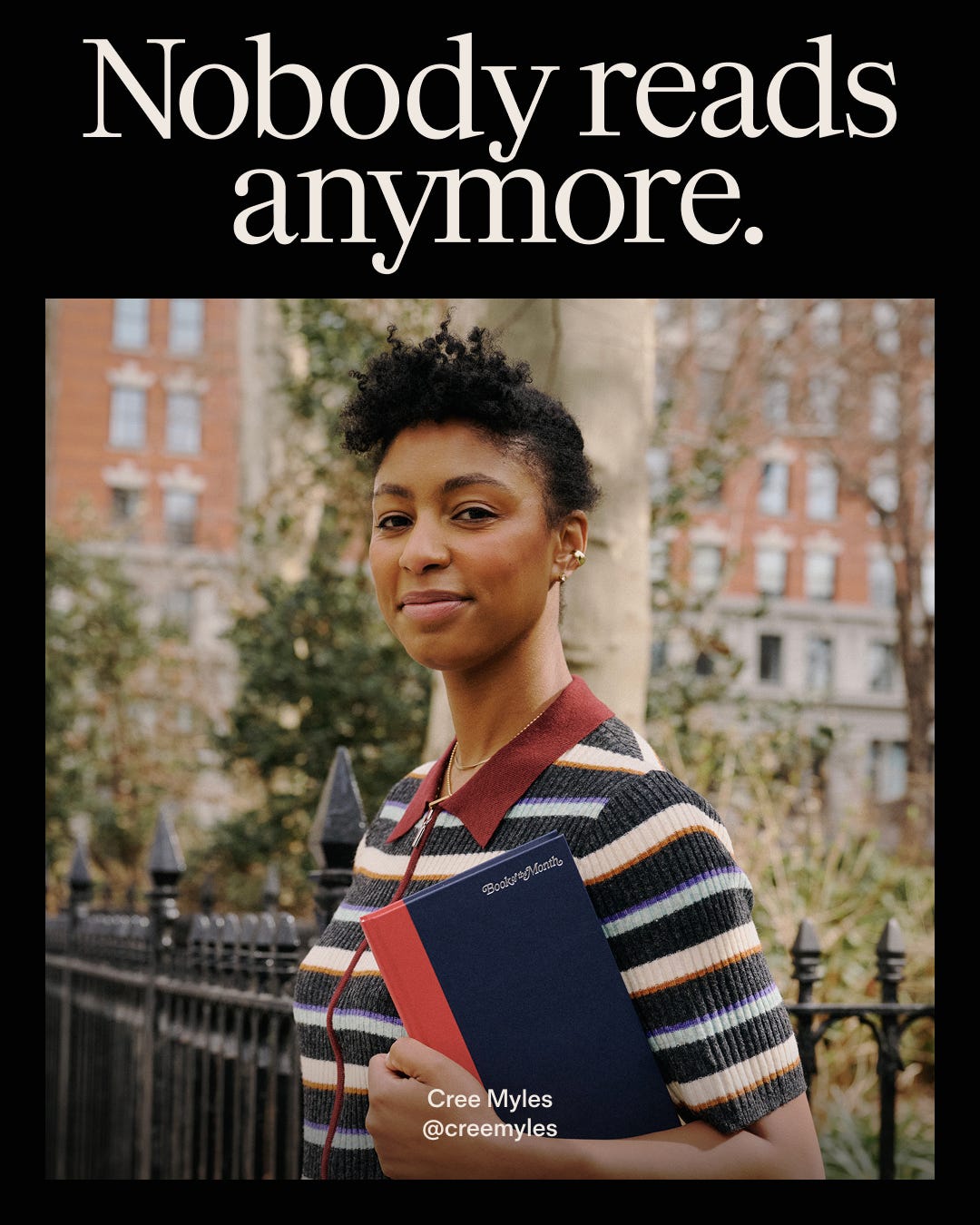
Are we in a literacy crisis or not? Book of the Month doesn’t think so— they’re betting big on Gen Z being the future of books, with Bookish creators across TikTok and Instagram shepherding a new generation into the world of reading.
While 2 in 5 people didn’t read a single book in 2025, 3 in 5 did. Books are being sold at a higher rate than ever, and every month, BookTok gets bigger and bigger. Over 100,000 people watched my review of Famesick, over 60,000 watched my review of Yesteryear, and 40,000 people watched my review of Lake Effect.
People are hungry for bookish content— I’m currently loving the Margo’s Got Money Troubles adaptation on Apple TV, and book adaptations have become a tried and true pipeline for streaming hits: Daisy Jones and the Six? Little Fires Everywhere? All Her Fault? The Girlfriend? All books first. Books are vital to a culture hungry for both analog experiences and new worlds. Learn more about the campaign here.
“Sometimes you say shit that sounds made up.”
“I never make things up.”
“Yeah, well then everything bad happens to you.”
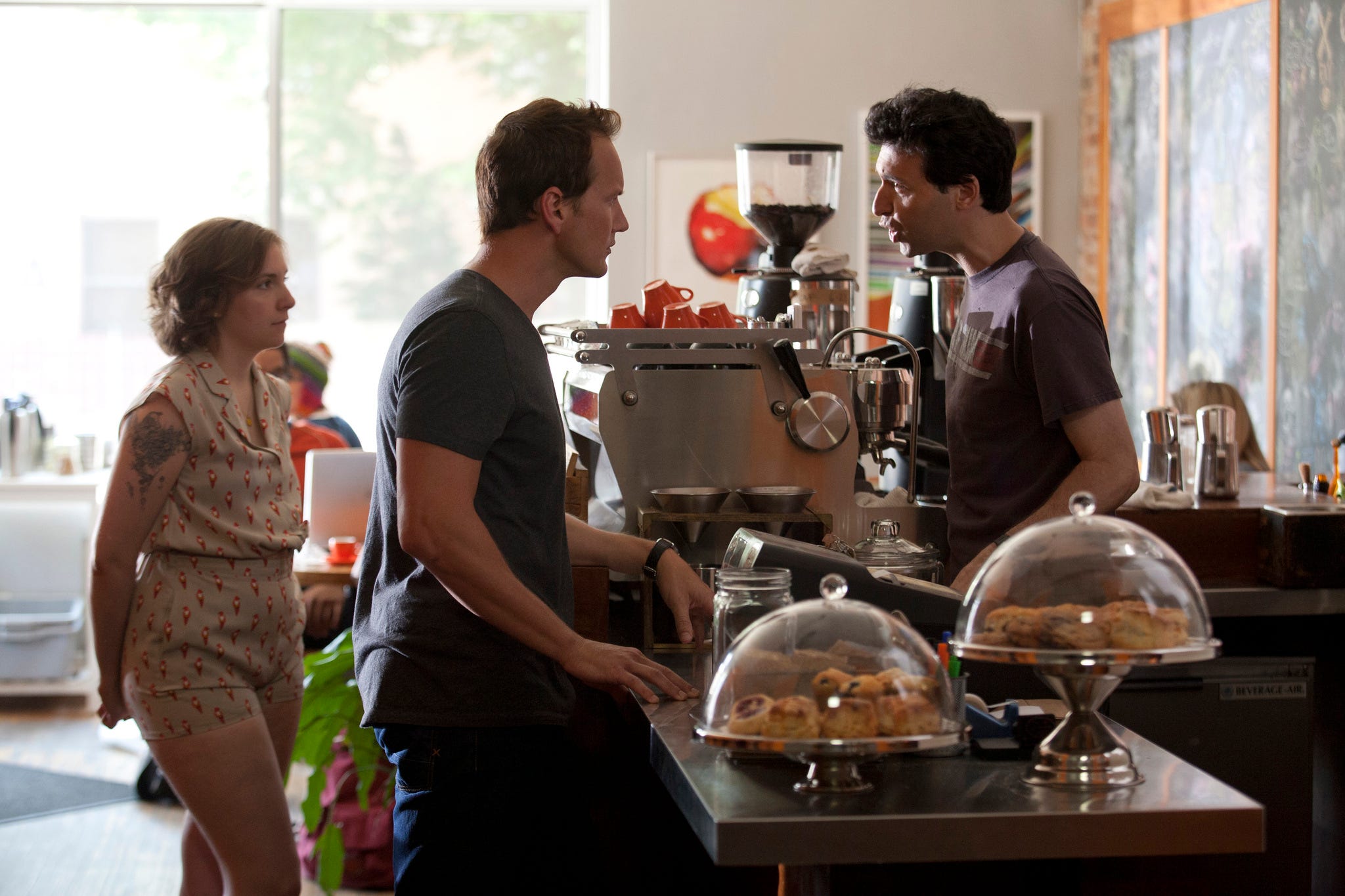
Girls, Season 1, Episode 5
I was seventeen years old when I was diagnosed. I was interning at a law firm that summer, and people couldn’t stop talking about how tall and trim I was— I had just gone through puberty after three years of floating around high school like a ghost, skulking around corners, hiding because I was five feet tall. Once, a girl I had seen around for years asked me if I was a child prodigy. I responded that we were the same age, but she couldn’t believe it— I was sixteen, but I looked eleven.
I lost thirty pounds in three months. My grandmother took me to the doctor, and I could feel the weight of her concern on me like a laser. I do not come from warm stock, but this was something for her to obsess over: something tangible she could fix. After a particularly grisly September, we learned my intestines had simply stopped absorbing nutrients from food— I was quite literally starving to death. My gastro dutifully listed all the foods I could never eat again: popcorn (the kernels could shred my intestines), Hawaiian Punch (the red is Too Red and would make me sick), raw broccoli. I was to receive medication intravenously every two weeks for months, eventually tapering to every four, every six, every eight.
I missed the entire month of October, returning once for senior pictures. If my child-self had been a metaphorical ghost, now I was a literal one: I returned nine inches taller, forty pounds lighter, hollow-eyed and trembling. No one in my graduating class recognized me. My best friend almost cried when I teetered into the auditorium for my picture. I still can’t actually look at it— my mother insisted, she wanted me to have the yearbook and the memory— but I don’t know who that is. I look very, very sick, and very, very sad.
During the October I was bedridden, I watched a lot of television and thought about my future. I wanted to go to Albany, to Buffalo, to Syracuse. I would never attend any of these schools: my medication schedule confined me to the boroughs of New York City because my family couldn’t afford monthly bus fare across the state.
For the next year, I’d spend countless hours hooked up to machines, on the phone with doctors and insurance representatives. I counted the hours I spent on my way to the hospital, and in the hospital, sitting in the pediatric infusion rooms where I was the oldest by a mile, watching children, toddlers, and infants receive chemotherapy and blood transfusions. My cousin came with me once but had to leave when she saw the babies: it was too sad for her. My grandmother (nerves of steel, ice in her veins) was the only one who could sit there with me for all four hours (four hours, every two weeks, not counting travel time).
I was seventeen years old when I learned how quickly life could turn on you. Perhaps this explains my own flavor of Caribbean pragmatism, my complete disavowal of American victimhood culture, my inability to process why some people feel entitled to anything at all. I think of the adages I’d grown up hearing: You can’t always get what you want, life’s not fair, it is what it is. I think of what I’ve lost: I never went away for college, I didn’t wear shorts for a decade, I travel with a list of foods I can’t eat for fear that my system will shut down again.
Back then, I felt impossibly grown up: of course I could handle procuring health insurance and talking to doctors. Of course I’d be able to process what I was going through while finishing high school and applying for college. Looking back, I now see I was a kid, almost impossibly young. I was only seventeen years old when I learned The Body is also something that can betray you.
Depending on your perspective, we’ve been blessed— or cursed— with a number of high profile white-lady memoirs exploring the Self through a variety of lenses. Last year, Elizabeth Gilbert (of Eat Pray Love fame) took us into the heart of her addiction with All the Way to the River. This year, Belle Burden unpacked an unthinkable betrayal in Strangers, Lindy West battled self delusion and internet brain in Adult Braces, and Lena Dunham returned to the national stage with Famesick.
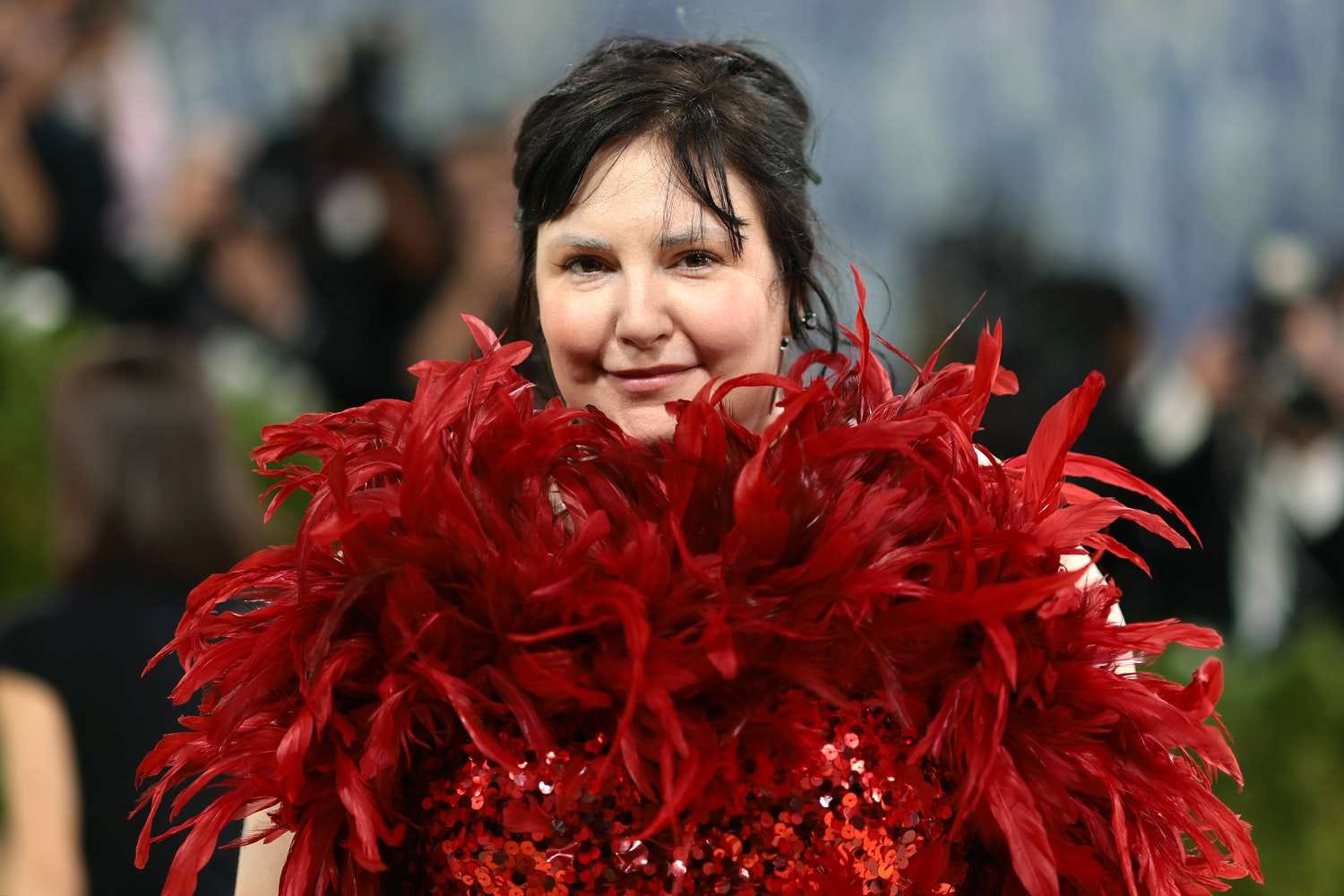
In Famesick, Dunham plunges the depths of her own virality, examining her career and life post Girls with her trademark self-awareness. During the current press tour, Dunham seems self-possessed, finally becoming the one thing that always eluded her during her early fame: Cool. Pictures from her early career show her grinning in disbelief as she attended the Grammys, the Met Gala, hosted SNL, graced the cover of Vogue, and starred in a Taylor Swift music video.

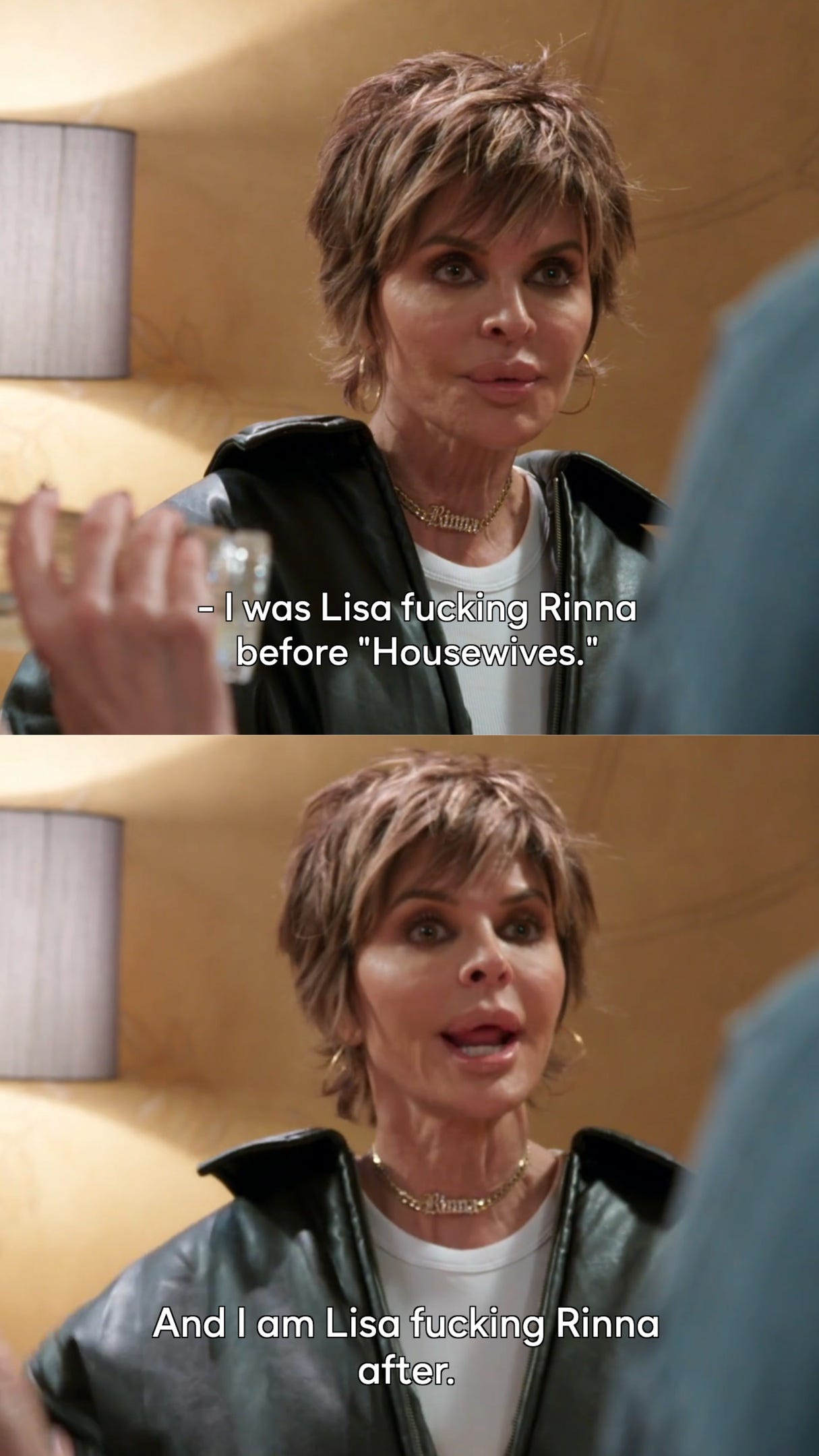
In a recent interview, Dunham described herself as a Shoshana, which tracks: even in her own self-mythology, she casts herself as the anxious little sister, constantly in awe of her more famous friends. Time, distance, and the rediscovery of Girls by Gen Z have refined Dunham’s formerly awkward charm: she very clearly knows how iconic her creation is, and seems to be about ten years away from a Lisa Rinna-esque embracing of her own fame.
In Famesick, she excavates her life to tell us a cautionary tale about fame: the only thing that will hollow you out more than chasing fame is being famous. Some of the most delicious passages in the book are about how her fame cratered her relationships with her parents, her sibling, her friends. Dunham’s wunderkind status allows her to write about Hollywood as both a permanent outsider and a wizened insider: she did it all, flamed out, bowed out, and is back to tell us about it.
It is difficult to overstate how hated Dunham was back then. I’m a few years younger than her, and watched as she was torn apart by the internet year after year. Some of the controversies were fair, many were overblown. In hindsight, we can see that in addition to her own missteps, Dunham was the victim of several coordinated smear campaigns by the right. In 2026, we’re more able to identify the stench of misogyny (though not much more able— see the recent attempted takedowns of Anne Hathaway and Rachel Zegler, alongside the continued noise around both Amber Heard and Blake Lively).
Famesick recontextualizes all of these highs with the lows of an illness memoir: Dunham spent her early years plagued by OCD and an eating disorder, and then an endometriosis diagnosis that changed her life forever. The diagnosis plagues her: during the height of Girls, she was constantly either about to go into surgery, in surgery, or recovering from surgery. Eventually she was diagnosed with Ehlers-Danlos, got a hysterectomy, and became addicted to painkillers, effectively torpedoing both her career and every relationship in her life.
Alongside an illness memoir, this is also an addiction memoir. In All the Way to the River, Gilbert gleefully recounts decades of bad behavior before surrendering to her Higher Power: she can’t ever be held responsible for anything she’s done, because she did it all in order to appease her Addiction to Sex and Love. Dunham is self-aware to a point and honest to a point, but when we get to the addiction part of the memoir, things get a little hinky.
It’s a difficult conversation to have, and one I’ve thought a lot about. How much disclosure are we owed in a memoir? How much actual truth are we meant to uncover? I ask this because of the marriage between recovery and accountability: at a crucial moment in the memoir, Dunham gently sidesteps ownership of a thing she calls “the worst thing she ever did, the thing she feels the most shame for”. In Famesick, this goes unnamed. A quick search (or simply asking someone who remembers the insane brouhaha) identifies this as her defense of Murray Miller, a Girls writer who Dunham was friends with, after he was accused of sexual assault by actress Aurora Perrineau.
In recovery, one of the steps is quite literally taking ownership of your mistakes, taking accountability, and apologizing. Everyone in recovery understands that being high or drunk does not excuse your actions: it explains them, but does not absolve you of the weight of the action. This often gets lost in conversations online, where simply saying someone is an addict or in recovery gives people carte blanche (try having a conversation about John Mulaney on TikTok or YouTube!)
Dunham publicly apologized to Aurora a year after she defended Miller. I bring this up because so much of the memoir is about her recovery and the appearance of accountability, but much of it doesn’t pass the sniff test: Dunham doesn’t owe us accountability, of course, but halfway through Famesick, you realize you’re standing in a pit of quicksand: every fault, every mistake, every L, is someone else’s. Obviously this is Dunham’s story, and you can only ever explain your point of view, but it’s a tough tack to take when every single thing that’s ever happened to you can be hand waved away. I bring this up because eight years after publicly apologizing, Dunham uses her memoir to say that she was: 1) sort of coerced into issuing the initial statement. 2) she issued it the day after her hysterectomy where she was too high on painkillers to understand what she was doing and 3) she doesn’t remember doing it at all. It feels antithetical to the goals of recovery and accountability to reverse course on a public apology (especially for something so heinous, something so gruesome she can’t even name it in her own book!) by saying well I was out of my mind when I did it and I was addicted to pills and I don’t remember it but I know it was really bad. I have addiction in my family (which obviously colors these conversations, I’m self-aware enough to clock that) and can clock the hand waving a mile away. Either take responsibility or don’t, but the sidestepping disguised as truth-telling feels… off.
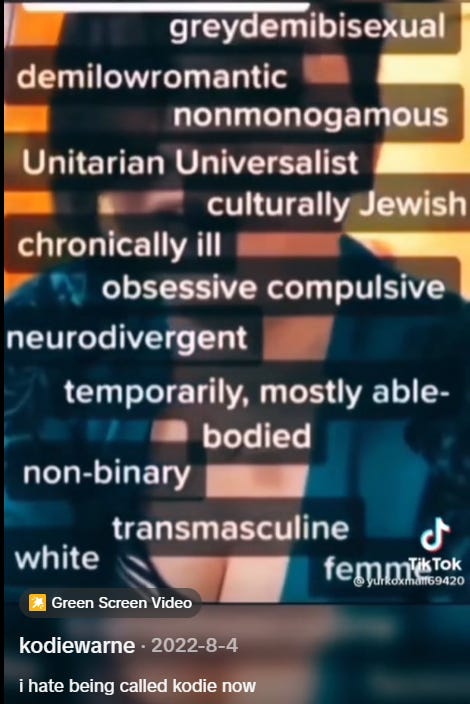
I’ve spoken at length about the Millennial Crisis of Self Infantilization and the Tumblr-ification of Mental Health. We spent a decade decorating our profiles with badges, pledging fealty to our various maladies and identities: the chronically ill culturally Jewish neurodivergent obsessive compulsive demilowromantic nonmonogamous non-binary transmasculine of it all, the Afro-latina transgender Wordsmith historical materialist educator and woodworker of it all, the solo polyamorous hijabi amputee of it all. A decade ago, there was a neat appeal to forming community around shared identity markers and mental health struggles. Things got weird on Tumblr (as they’re wont to do), then this style of self-disclosure spread, then this became a highlight of a particular type of Millennial, then it became something outdated and gauche. I still see Instagram profiles with “Depressed. Queer. Cat Dad. Open.” or something of the sort, and feel instantly transported back to a more innocent time. Dunham, being a Millennial’s Millennial, feels comfortable operating in this shorthand. She campaigned for HRC, for god’s sake.
In the parlance of addiction, a God Shot refers to a message from a Higher Power letting the person know it’s time to get sober. It’s more than a gnawing knowledge, it’s usually a profound, blistering need to get sober, delivered via an extraordinary coincidence or message. I get it: there is power in Surrender. I think of Dunham, terrorized by misogyny, by the media, by her co-morbidities and illnesses, and see how the structure, rigidity, and language of recovery can provide a legibility to a variety of experiences that were formerly unnamed. There’s something powerful about saying there’s nothing innately wrong with me, I’m simply Sick. As stated above, Dunham is someone who always found comfort in a label: in 2019, after losing her hair, Dunham tattooed the word SICK on her neck in big, blocky letters. Her caption references anxiety, PTSD, grief, endometriosis, and painkillers all at once.
Like I said above, Dunham is an amazing writer. Lindy West’s Gen X fans tried to rally around her on the pillars of identity and failed, Gilbert detonated her goodwill with fans on the rational end of the woo-woo spectrum (it appears many simply couldn’t tolerate spectral visits from her lover and you know, attempted murder). Burden was rational and took ownership of her failings, recounting how her marriage and desire to please her husband above all else made her boring and rigid. There is a spectrum for self-awareness, and each of these memoirs trades in individual Truths as opposed to The Truth.
Dunham’s recontexualizing of every horror as relating to one of the three monsters in her life is a symptom of her Millennial bonafides, but one that’s hard to puncture: how can you question someone’s own experience, especially when they’re hated by the nation, struggling with addiction, and chronically ill? Every monster is made of smoke, every monster is bigger than the last, every monster is immortal and undying.
I liked Famesick a lot: Dunham is complex, complicated, and a jumble of contradictions. Her superpower is her ability to chronicle the intricacies of human emotion beautifully, but ultimately, she’s only human. At one point in the book, Dunham has dinner with Bruce Springsteen, who tells her that her experience of a Truth is more important than the actual Truth. Coloring in the lines and providing texture can create a tonal experience that’s often more indelible than a standard rehashing of facts: the experience of gazing at a watercolor vs. looking at a still life. Reading Famesick, it’s clear Dunham took this advice to heart.
It took me a month to feel well enough to write this because of my own chronic illness- I’ve been dealing with a pinched nerve due to inflammation and have really struggled to use my phone, work, and write. The irony is not lost on me.
In her New York Times interview, Dunham spoke about a deep sense of shame embedded within her, a need for approval driving her every action. During the interview, she says she doesn’t know where it comes from. I do: her parents, while coddling and infantilizing her, browbeat, bully, and belittle her at every turn. Dunham wonders where her constant need to perform for men comes from while simultaneously recounting the story of her father telling her SNL is stupid and selling a show to HBO at 23 isn’t impressive. I’m not a mathematician, but even I can do that math.
I crave a Dunham friendship breakup story next: I didn’t get into the Jenni Konner of it all here, but this relationship and breakup is one of the beating hearts of the book. Konner was a surrogate mother-slash-best friend hired by HBO to babysit Dunham, and the blurring of professional and personal boundaries— Konner was 14 years older, and used her friendship with Dunham and Dunham’s lack of boundaries to ask HBO for an equal salary, despite being a showrunner to Dunham’s creator/showrunner/director/actor quadruple threat— bleak. When Dunham tried to resolve their tension in therapy while recovering from her hysterectomy/the throes of her addiction, Konner walked out and never spoke to her again.
I also worry about Cyrus being the ultimate Glass Child. Cyrus, the sibling of a child with a lifelong chronic illness in addition to a mental illness that manifested quite young, then dealt with Dunham becoming incredibly famous, who then told a story that will haunt them both forever amidst their gender transition. According to the memoir, Cyrus established some pretty firm boundaries when Dunham was in the middle of her addiction. I feel for him. In families with addiction, the entire family reorients themselves around the needs of the person suffering, forever orbiting them like stars to the suffering person’s sun. Can you imagine getting into an argument with someone who believes nothing is ever their fault?
This is already so long, but links:
As always you articulate what I’ve been feeling but struggling to say. I’ll add that true recovery from addiction is not static. If one does a 12 step program (not the only way, or gold standard by any means, but a very useful form of codified self-actualization and it’s free) and working with a sponsor, then they should be doing the steps over and over, every couple of years or so, uncovering deeper understanding, responsibility, integrity, and compassion. It’s not a one and done experience. But memoirs are. I’m so curious to see what Dunham will write in 10+ years from now about her life.
This is so precise and beautifully written. Thank you <3